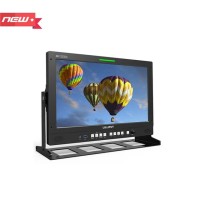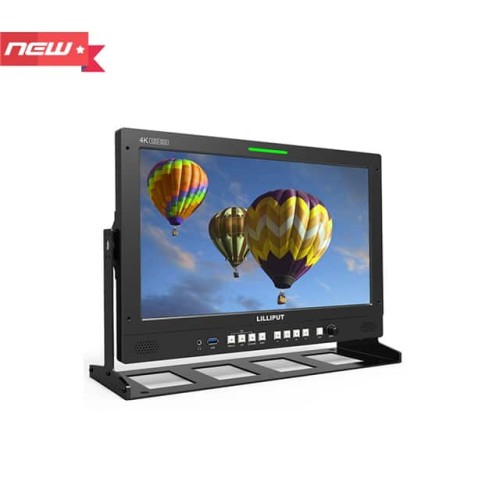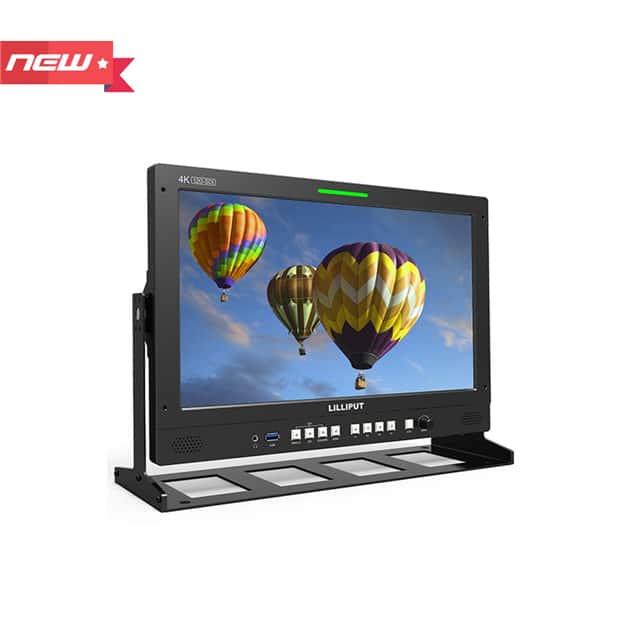
This guide focuses on the Lilliput Q15-ABBP, a 15.6-inch 4K 12G-SDI monitor with waveform functionality. This component belongs to the category of professional broadcast and field production monitors. Its primary role in electronic systems, particularly in live video production, cinematography, and broadcast engineering, is to provide a high-resolution, color-accurate, and feature-rich monitoring solution. Unlike consumer displays, these monitors integrate signal processing for professional video standards, enabling engineers and videographers to verify critical parameters like exposure, color balance, and signal integrity in real time. The inclusion of a waveform monitor transforms this display from a simple viewing screen into a critical measurement and analysis tool, essential for ensuring compliance with broadcast specifications and achieving consistent visual quality across multiple cameras and recording devices.
When selecting a monitor in this category, several key parameters dictate suitability for different workflows. Resolution and signal compatibility are paramount. The Q15-ABBP supports 4K resolution at 60p via a single 12G-SDI input, which is a significant advantage over older monitors that require multiple cables or lower refresh rates. Color accuracy and brightness are equally critical; a high-quality IPS panel with wide color gamut coverage (e.g., Rec. 709, DCI-P3) and sufficient nits of brightness (often 300-500 cd/m² for indoor use, higher for outdoor) ensures reliable color grading and visibility. The waveform and vector scope functionality is a decisive differentiator. This built-in toolset allows for precise exposure and chrominance analysis without external equipment, saving rack space and reducing setup time. Other important parameters include latency (critical for live switching and camera matching), input/output connectivity (including loop-through outputs and 12V power), and form factor (rack-mount capability versus portable field use).
Comparing the Q15-ABBP to alternatives reveals distinct trade-offs in performance, cost, and availability. Against consumer-grade 4K monitors (e.g., those from LG or Dell), the Q15-ABBP is significantly more expensive, often by a factor of 2 to 4. However, it offers professional SDI connectivity, low-latency processing, waveform tools, and a color-calibrated panel. Consumer monitors typically use HDMI-only inputs, higher input lag, and lack professional analysis tools. Against competitor professional monitors from brands like Atomos, SmallHD, or TVLogic, the Lilliput is generally more budget-friendly, offering a substantial cost saving—often 20-40% less for similar specifications. The performance trade-off may include slightly less advanced calibration algorithms, a less robust build (e.g., plastic chassis vs. metal), or a smaller waveform toolset. However, the Q15-ABBP provides an excellent price-to-performance ratio for cost-conscious production houses, rental companies, and educational institutions. Availability is generally good, with Lilliput having a strong distribution network for broadcast equipment, though lead times can extend during peak seasons or component shortages.
Several industry trends are shaping this component category. The most significant is the widespread adoption of 4K and HDR workflows, driving demand for monitors that can handle 12G-SDI and support HDR standards like HLG and PQ. The rise of remote production and cloud-based workflows also increases the need for monitors with low latency and accurate color for remote grading and collaboration. Another trend is the miniaturization and integration of test and measurement tools. Built-in waveform, vectorscope, and false color features are becoming standard, reducing reliance on separate, expensive test equipment. Finally, the push for energy efficiency and reduced weight is influencing panel technology, with many manufacturers moving to LED-backlit IPS panels that offer high brightness with lower power consumption. The Q15-ABBP aligns well with these trends, offering a compact, feature-rich solution at a competitive price point.
You should choose the Lilliput Q15-ABBP over alternatives when your primary requirement is a cost-effective, high-resolution monitoring solution with professional SDI connectivity and integrated waveform capabilities. It is an excellent choice for studio production, field production, and live event environments where you need to monitor multiple 4K camera feeds without breaking the budget. If your workflow demands the absolute highest color accuracy for HDR mastering, or if you need a monitor built to withstand extreme environmental conditions (e.g., rain, shock), you may need to invest in a higher-end brand. However, for general broadcast monitoring, camera matching, and technical quality control, the Q15-ABBP delivers 95% of the functionality of premium monitors at a fraction of the cost. It is particularly well-suited for educational institutions, small-to-medium production companies, and rental houses where balancing performance and cost is critical.
From a procurement perspective, several factors demand attention. Lead times for the Q15-ABBP are typically 2-4 weeks for standard orders, but can extend to 6-8 weeks during high-demand periods or if global supply chain disruptions affect SDI chipsets. It is advisable to check with the distributor for current stock levels. The lifecycle status of this monitor is in its growth phase; 12G-SDI technology is still being adopted, and Lilliput is actively updating firmware to support new features. There is no immediate risk of obsolescence. However, the monitor does not have a direct second-source option from a different brand with identical specifications. Alternatives from Atomos or SmallHD may serve as functional replacements but will differ in connectivity and software. To mitigate supply risk, you should consider ordering a small surplus for critical projects, or negotiate with Lilliput for a guaranteed supply agreement. Additionally, verify that the monitor complies with local regulations (e.g., FCC, CE) for your region. Always request a calibration certificate if color accuracy is mission-critical, and confirm warranty terms—typically 1-2 years for this category. By carefully evaluating these procurement considerations, you can confidently integrate the Q15-ABBP into your broadcast or production system.